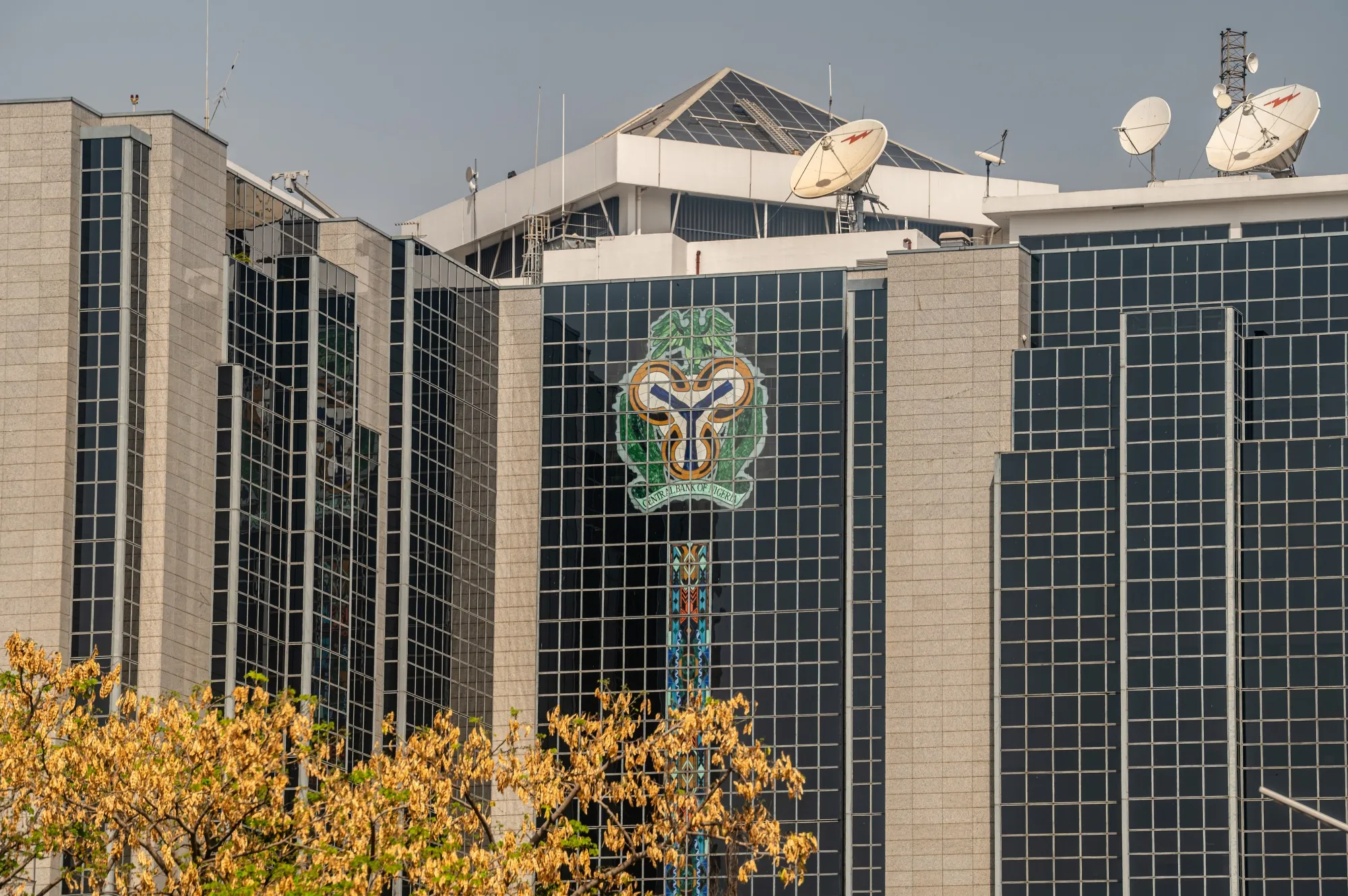
The Central Bank of Nigeria’s Monetary Policy Committee cut its benchmark Monetary Policy Rate by 50 basis points to 26.50 percent at its 304th meeting in February 2026, marking the second rate reduction in the current easing cycle. The decision reflects growing confidence that Nigeria’s disinflation trajectory is firmly established, with headline inflation declining for eleven consecutive months to reach 15.10 percent in January 2026.
CBN Governor Olayemi Cardoso attributed the decision to a balanced evaluation of risks, citing sustained exchange rate stability, improved food supply, and the lagged transmission of previous monetary tightening. The apex bank retained its asymmetric corridor at +50 to -450 basis points and kept the Cash Reserve Ratio unchanged at 45 percent for deposit money banks.
The rate cut is designed to stimulate economic growth without reigniting inflationary pressure. Nigeria’s gross external reserves stood at $50.4 billion as of mid-February 2026 — the highest level in 13 years — providing the CBN with substantial firepower to defend the naira if needed. The local currency has been approaching the psychologically significant N1,300 per dollar level, a threshold analysts describe as the ultimate test of the CBN’s multi-year reform agenda.
Analysts note however that rising global energy prices linked to the US-Iran conflict in the Middle East pose an upside risk to inflation. The CBN may be forced to pause its easing cycle if oil prices push imported inflation higher, complicating the path to further rate reductions in the second half of 2026.
What to watch: The next MPC meeting and any shift in the CBN’s forward guidance given escalating Middle East tensions and their impact on global oil prices.